The Endowment Effect in Action: How 'Me' and 'My' Boost Conversions
Use the psychology of ownership to make your message feel personal - and irresistible.
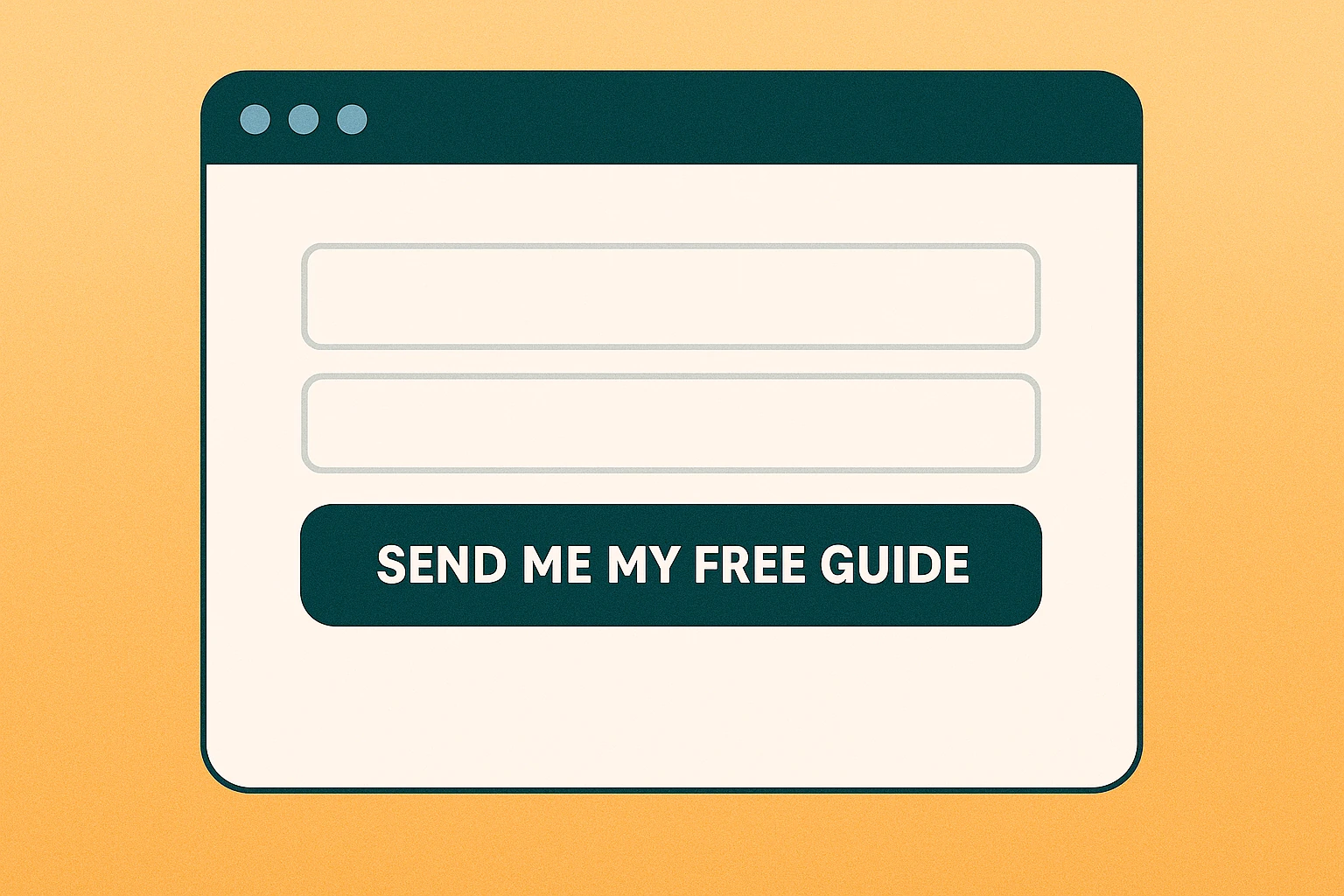
"Yes, send me my free welcome kit and the first issue of my subscription. If I’m not completely satisfied, I’ll cancel-no questions asked."
You’ve probably seen a line like this before. It sounds simple, maybe even a little outdated. But here’s the thing: it seems to work.
In many cases, this kind of phrasing performs better than more neutral alternatives. Why? Because of two small words that pack a surprising punch-me and my.
Personalization that speaks directly
There’s a big difference between saying "Get a free welcome kit" and "Send me my free welcome kit."
The first sounds like a headline pulled from a generic banner ad. It’s impersonal, distant-something that could be meant for anyone. The second feels like a direct conversation. It’s active, specific, and makes the reader the center of the action.
That small shift - from third-person to first-person - changes the tone entirely. "Send me" implies the reader is making a request, not just receiving an offer. "My subscription" reinforces that the product is already theirs, or at least meant specifically for them.
The psychology of ownership
Why does "my welcome kit" feel more compelling than "a welcome kit"? The answer lies in a behavioral bias called the endowment effect - a concept first identified by psychologists Daniel Kahneman, Jack Knetsch, and Richard Thaler.
The endowment effect refers to our tendency to place greater value on things we own - or even things we feel like we own - compared to things we don’t.
In a famous experiment, participants were randomly given coffee mugs and then asked how much money they’d accept to give them up. On average, sellers wanted twice as much as buyers were willing to pay for the exact same mugs. Nothing had changed but the sense of ownership.
This effect kicks in fast. Experiments show it can develop within minutes of acquiring an object-and it’s not just physical goods. The effect shows up with stocks, lottery tickets, leisure time, and digital assets too.
Across marketing channels - whether it’s landing page design, funnel flows, or email copy - small language choices can influence how people perceive value. When a phrase like "my subscription" or "my bonus guide" appears, it creates a subtle sense of psychological ownership. That can be enough to shift a person’s mindset from "That might be nice to have" to "That’s mine-I just need to claim it."
Because the endowment effect is tied to loss aversion - from prospect theory - it doesn’t just make an item more attractive. It makes giving it up feel like a potential loss. That’s a powerful motivator.
- Less Effective: "Start a free trial and explore our features."
More Effective: "Start my free trial and unlock my full access." - Less Effective: "Download the ebook to learn more."
More Effective: "Send me my free ebook to get started."
This isn’t manipulation - it’s working with the grain of human psychology.
Empowerment through first-person language
First-person language doesn’t just personalize - it puts the reader in control.
Phrases like "If I’m not satisfied, I’ll cancel" reinforce agency. The reader isn’t being told what to do; they’re choosing what to do. That sense of control builds trust and lowers friction.
- Generic: "Cancel anytime with no questions asked."
Empowered: "If I’m not satisfied, I’ll cancel - no questions asked." - Generic: "There’s no obligation to continue."
Empowered: "If it’s not for me, I won’t continue - no pressure."
With lots of online offers feeling like a gamble, straight talk like this builds trust fast.
When (not) to use it: knowing the limits of first-person language
This technique can be incredibly effective - but like any tool, it works best when used with intention.
There are moments when "me" and "my" add clarity, energy, and a sense of ownership. But there are also situations where they feel forced, distracting, or out of sync with the context.
- When It Disrupts Flow: Not every sentence needs to sound like it's spoken by the user. "Click here to continue" may be clearer than "Let me continue to the next step."
- When the Voice Doesn’t Match the Brand: First-person can feel too casual for legal, financial, or institutional brands. "I accept the terms" might be less appropriate than "I have read and agree to the terms and conditions."
- When It Feels Gimmicky: "Yes, give me the secret sauce!" may stand out once-but used too often, it starts to feel forced.
- When the Action Isn’t User-Initiated: If the system takes an action, avoid confusing phrasing like "I’ll receive my confirmation email soon." Stick with "You’ll receive a confirmation email shortly."
Used thoughtfully, first-person language can make your messaging more personal, confident, and clear. The key is knowing when it helps - and when it gets in the way.
Conclusion
If your message is falling flat, the problem might not be what you’re offering - it might be how you’re saying it.
First-person language gives your copy a voice your audience already trusts: their own. It doesn’t need to be flashy or clever. Just honest, clear, and easy to act on.
Try it where it counts: on the form, in the CTA, at the moment someone’s deciding whether to engage or leave. Often, a single word swap is enough to shift the response.
Less "you should."
More "I will."