Write for One Person - Not an Audience
The writing that truly connects isn’t crafted for a crowd - it’s written with one real person in mind.
Not so long ago, I thought the goal of good writing was to sound professional - broad, polished, safe. The kind of writing that sounds like a teacher lecturing a room, or a keynote speaker addressing a crowd - clear, composed, but distant.
The result?
My writing looked good on paper - clean, professional, exactly how it was supposed to sound.
But no one replied. No one shared it.
It was dead on arrival - perfectly crafted and completely ignored.
That’s what happened when I tried to write for the “target audience.”
I found myself reaching for generalities - safe, structured, and completely lifeless.
I was aiming for everyone - and ended up connecting with no one.
Everything shifted when I stopped trying to write for the “target audience” and started writing for one person.
I stopped sounding like I was presenting, and started sounding like I was talking.
The tone changed. The writing felt more honest - more human.
And the more personal it became, the more others connected with it.
Not because I was trying to be relatable, but because I wasn’t trying to be anything at all.
Just one person speaking to another.
Simple words. A real voice. That’s it.
So now, whenever I sit down to write - whether it’s a post, an email, or anything in between - I don’t think about “the audience.”
I think about one person.
Sometimes that’s someone I actually know.
Other times, I make someone up - I give them a name, a job, a mood, a problem they’re trying to solve.
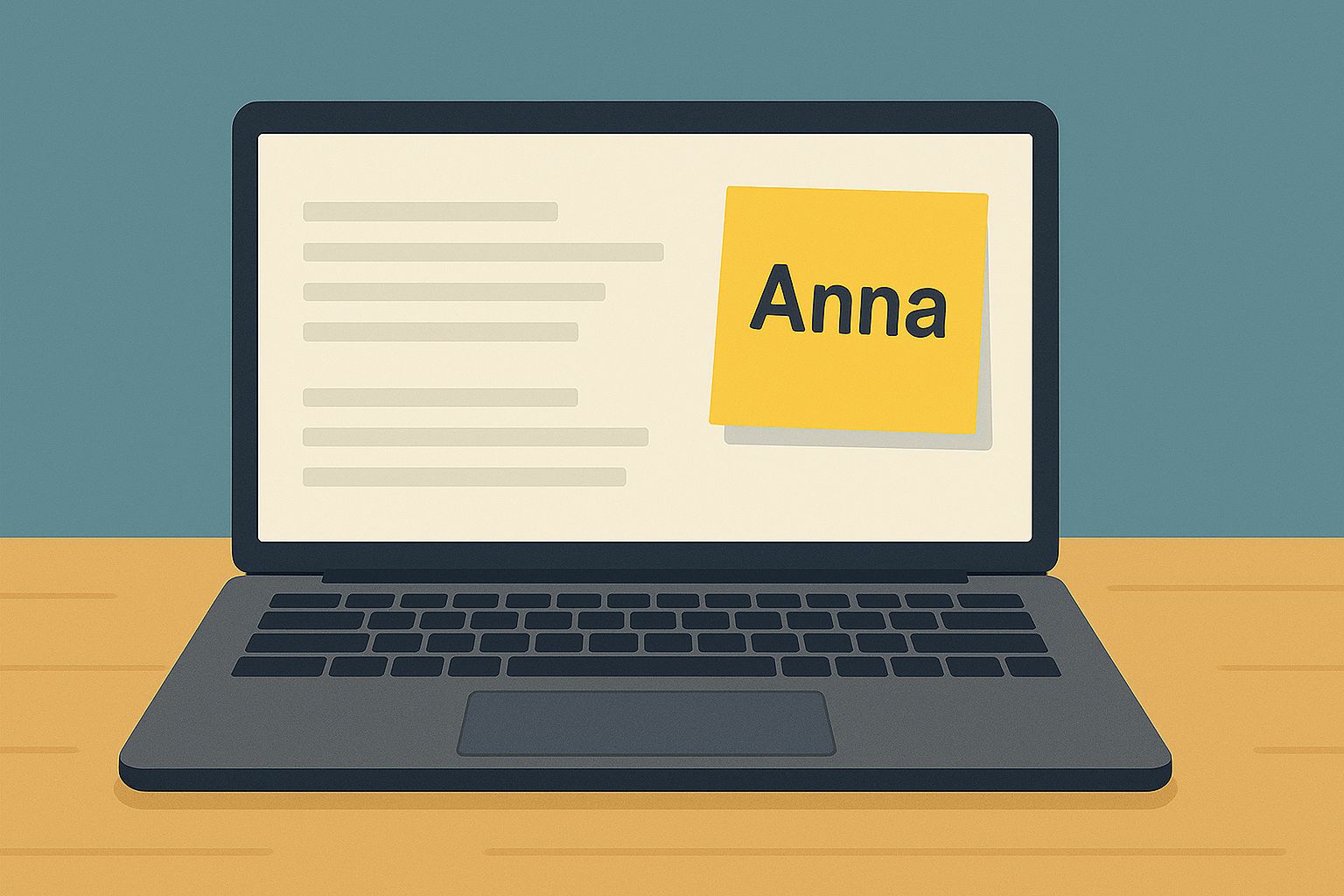
And then I imagine I’m writing them an email.
Something simple, like: “Dear Mary,” - and I just keep going like she’s the only one who’ll ever read it.
This isn’t just a writing trick - real brands use this approach at scale.
HubSpot writes entire campaigns for “Marketing Mary,” a mid-level marketer juggling content, lead gen, and pressure to prove ROI.
Cisco designs features with “Gwen,” a cautious HR or finance specialist who won’t adopt tools unless they feel secure and familiar.
And Allbound tailors messaging for “Alice Anderson,” a CIO making high-stakes decisions about IT budgets, security, and system upgrades.
They don’t just target segments - they create someone specific.
Then they write, build, and speak directly to her.
So if you’re stuck staring at the screen, wondering how to reach your audience - stop trying to reach everyone.
Picture one person.
Give them a name. A job. A moment in their day.
And write like they’re the only one who’ll ever read it.
Because the truth is, when it feels like it was written just for one…
It ends up resonating with many.