The Power of Imperfection: Why "Ugly" Ads Work
Raw, honest, and unfiltered beats flawless when it comes to trust
The surprising truth about "ugly" ads
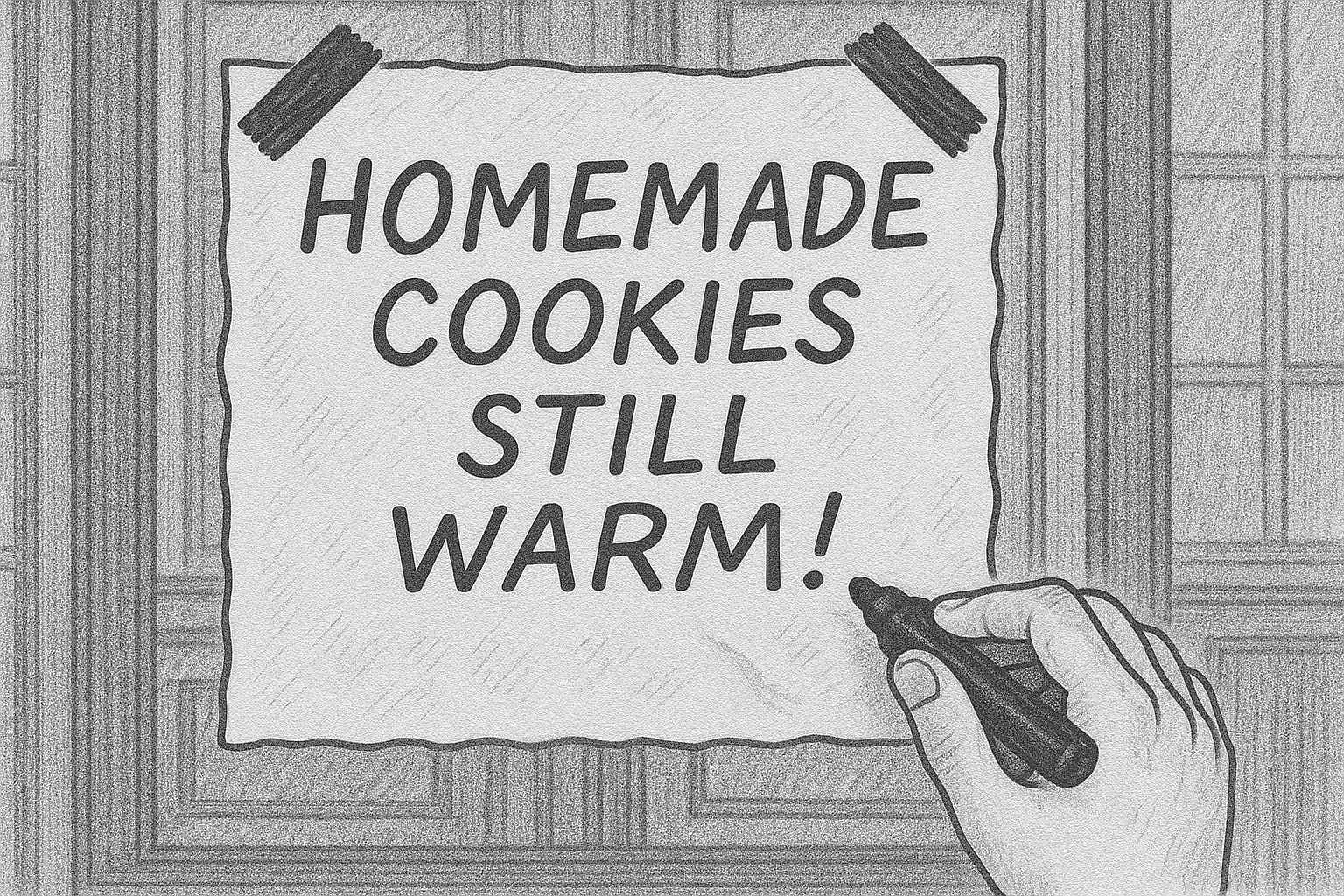
Ever paused mid-scroll because something messy caught your eye - a crumpled sticky note, a rough selfie video, a scribbled idea on a whiteboard?
It didn’t look like an ad. And that’s exactly why it worked.
In today’s marketing landscape, high-production content often fades into the background. Lo-fi visuals feel spontaneous, unfiltered, and real. That sense of authenticity stands out - and the data backs it up:
- UGC ads generate 7.7× more engagement than banner ads (StumbleUpon)
- 92% of consumers trust user-generated content more than traditional advertising (Nielsen)
Authentic content captures attention and builds connection. So why does imperfection break through where polish doesn’t? Let’s explore what makes it work.
Breaking through banner blindness
People instinctively skip over anything that looks like an ad - a behavior called "banner blindness."
According to Infolinks, 86% of consumers ignore banner ads due to this learned behavior. Click-through rates have plummeted, and over half of served ads are never seen.
Only 8% of users generate 85% of all ad clicks, showing just how concentrated engagement really is.
The effect is especially pronounced among millennials, who are more prone to tuning out ads due to years of digital exposure.
Additionally, 99.9% of banner ads generate no measurable engagement, and 35% of users avoid clicking any banners over a five-month period.
Eye-tracking studies show that users avoid anything resembling an ad, regardless of placement.
But lo-fi visuals break these patterns. Shaky videos or scribbled notes feel spontaneous and real. That sense of authenticity builds trust - and trust drives engagement.
The psychology of authenticity
The power of imperfection is backed by psychology.
The Pratfall Effect, discovered by psychologist Elliot Aronson in 1966, shows that highly competent individuals become more likable when they make small mistakes. In one study, a quiz contestant who performed well was seen as more attractive after spilling coffee - a blunder that made them seem more human.
This works because flaws soften perfection. When someone seems too polished, we distrust them. But small stumbles make strong performers feel real and relatable.
A similar principle appears in the Japanese philosophy of wabi-sabi, which finds beauty in the imperfect, impermanent, and incomplete. Wabi-sabi values asymmetry, aging, and simplicity - a quiet resistance to perfectionism.
Both ideas challenge Western ideals of flawlessness. And marketers have taken note. From Volkswagen’s self-deprecating "Think Small" ads to KFC’s bold "FCK" apology campaign, brands have used honest imperfection to win trust.
Perfection can feel fake. Controlled imperfection feels honest - and honesty earns attention.
According to Crowdtap, brands using user-generated ("imperfect") content see a 79% increase in engagement. Authenticity isn’t just good branding - it’s a growth driver.
What "ugly" ads actually look like
Imperfect doesn’t mean sloppy. It means real, intentional, and human:
- Smartphone Videos
Unscripted clips with minimal editing. Think product demos or behind-the-scenes footage. - Handwritten Notes
Scribbles, doodles, or sticky notes. Messy handwriting adds personality. - Screenshots
Snippets of customer feedback or Slack messages. Honest and unscripted. - Candid Photos
Unposed images in natural settings - a user at home, not a model in a studio. - Native-Style Social Content
Content that mirrors platform norms - selfie videos on TikTok, casual Stories on Instagram.
The key: be relatable, not rehearsed.
Performance proof: why this works
Lo-fi content isn’t just more relatable - it outperforms polished ads:
- CTR is 2.7× higher for UGC than standard display ads
- Web conversions are 29% higher; engagement is 50% stronger (SocialMediaToday)
- 64% of marketers say UGC outperforms traditional content (Shopify)
- UGC boosts brand awareness by up to 10× and customer retention by 25% (Olapic)
Sleepy Owl: The Indian DTC coffee brand launched a silent, minimalist video campaign using lo-fi visuals and no voiceover. The result was a 4× increase in CTR compared to their traditional ads.
Perfora: This oral care startup transitioned from polished visuals to phone-shot, user-style content. By embracing a raw aesthetic, they significantly reduced ad production costs while boosting engagement rates.
Surreal: A UK-based cereal company known for its quirky brand voice, Surreal leaned into unscripted, awkward video testimonials. These unpolished, personality-driven videos outperformed their previous studio-shot campaigns in both engagement and reach.
Relatable content works.
When ugly ads don’t work
This approach doesn’t fit every context. Use discernment:
- When Your Brand Sells Precision
Luxury, performance, or clinical brands rely on polish to convey trust. A high-end skincare brand using grainy video may look careless, not real. Still, a relaxed video from a trusted expert can add credibility without undermining quality. - When the Medium Demands Polish
A raw Instagram Story works. A Super Bowl ad shot on a phone? Not so much. High-budget media channels carry expectations - breaking those rules can feel unprofessional rather than disruptive. - When It Feels Staged
Faking imperfection erodes trust. Some brands have faced backlash - such as in Reddit marketing discussions - for hiring actors to mimic user-generated content. The deception was quickly spotted by audiences, and trust declined. Regulatory bodies like the FTC have also issued guidance against fake testimonials, reinforcing the reputational risks of staged authenticity. - When You Haven’t Built Credibility Yet
For newer brands, raw content can look like inexperience instead of intention. Without an established reputation, imperfections may undermine rather than build trust.
Lo-fi doesn’t mean lazy. It means intentional, honest, and human.
How to start using ugly ads (Without Looking Sloppy)
You don’t need a full rebrand. Start small:
- Choose a Raw Format
Start with something simple and real - a casual photo of your workspace, a handwritten note from a team member, or a quick thank-you video filmed on a smartphone. Don’t worry about perfect lighting or scripted lines - the goal is to show up as human, not flawless. - Add Human Context
Write like you talk. Speak in a way that reflects how you’d explain the product to a friend. Instead of "Explore our features," say something like "Here’s what I love about this tool" or "This saved me hours last week." - Test It
Share it alongside your polished content to see how audiences respond to each. Measure not just clicks, but also shares, comments, watch time, and saves to understand what drives engagement - and what feels real. - Iterate
Don’t judge early results too harshly. Authenticity often takes a few tries to get right. Use each post as a learning moment, identify what resonates, and double down on what feels both human and effective.
Lo-fi formats are fast, cost-effective, and easy to scale.
Conclusion: the shift to human-centered marketing
"Ugly" ads aren’t a gimmick. They’re a response to what people actually respond to.
Polished ads are easy to scroll past. Real moments make people stop, engage, and act.
Authenticity wins attention, builds trust, and drives performance.
In today’s marketing, brands that feel human beat brands that just look good.