People Share Ads That Make Them Look Good
The most shareable ads make people feel smart, helpful, or ahead of the curve for sharing them.
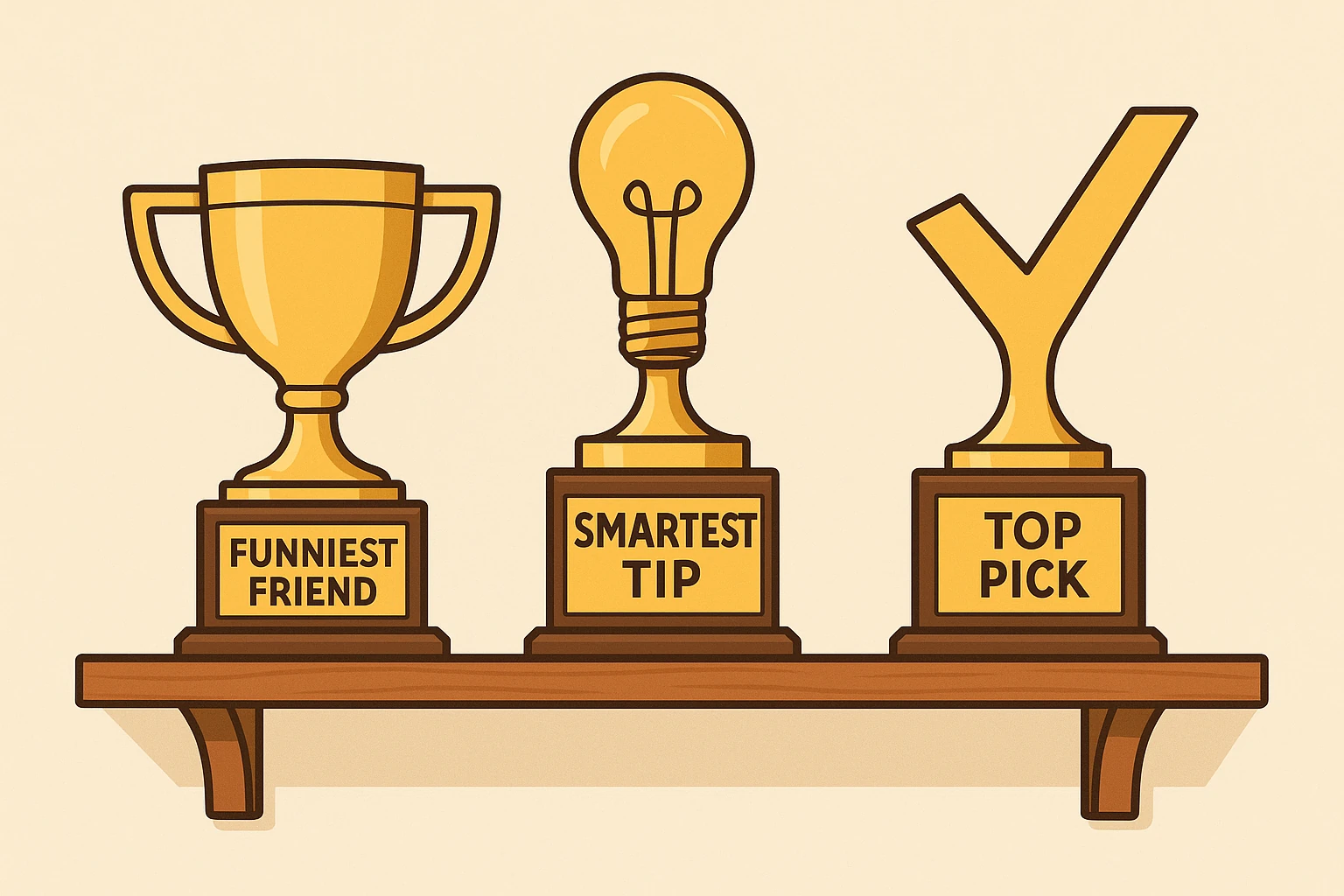
Nobody shares your ad because it’s good.
They share it because it makes them look good.
Think about the last time someone dropped a hilarious ad in the group chat. They weren’t just sharing content - they were scoring points. A laugh, a reaction, a little bit of “I saw this first.” Same thing when someone reposts a slick design tip or a beautifully shot product video to their Story. The message isn’t “Look at this brand.” It’s “Look at me.”
Because at the end of the day, people don’t share ads to help your company.
They share ads to help their image.
This isn’t just instinct - it’s psychology. In his bestselling book, Contagious: Why Things Catch On, marketing professor Jonah Berger outlines six drivers of virality in what he calls the STEPPS model: Social currency, Triggers, Emotion, Public, Practical value, and Stories.
The first - Social currency - is key here. People share things that make them look smart, funny, or in-the-know. Sharing isn’t just communication. It’s self-promotion. And the best ads give people a way to subtly say, “This is who I am.”
That’s why the most shareable ads tap into three psychological triggers:
- Identity signaling
“This is me.” Sharing something clever or culturally relevant helps people express who they are (or want to be). - Utility
“This helps.” A helpful ad lets people show up as someone who brings value to others. - Status
“I’m early.” Beautiful or buzz-worthy ads help people signal taste, timing, and insider access.
If your ad taps even one of these, it has the potential to travel far, not because you're pushing it, but because your audience wants to wear it.
Real-world examples: ads people share to boost themselves
These aren’t just great ads.
They’re social tools - content people use to say something about themselves.
Let’s look at how each psychological trigger plays out in real campaigns:
1. Identity Signaling: “This is me.”
Coca-Cola – "Share a Coke"
This campaign replaced the Coke logo with common first names, instantly creating a personalized, shareable moment.
People hunted for their name, took photos with their bottle, and posted them - not to promote Coke, but to say “This one’s mine.”
It turned an everyday product into a reflection of personal identity and made sharing feel meaningful, not manufactured.
Nike – "Just Do It"
Nike’s timeless campaign taps into aspirational identity. When people share Nike content, they’re aligning with grit, ambition, and resilience.
It allowed both elite athletes and everyday individuals to associate themselves with perseverance, progress, and purpose. Sharing it was like saying, “I show up. I push through.”
Apple – "Shot on iPhone"
These ads didn’t just highlight features - they showcased real creativity from real people.
When someone shares one of these photos, especially their own, they’re not just endorsing the phone - they’re saying “I made this.” It’s subtle personal branding: “I see the world like this.”
2. Utility: “This helps.”
Tide to Go – Instant Stain Remover Pen
Tide’s pocket-sized stain remover became a viral utility product by solving a simple, urgent problem: spills in high-stakes moments.
The ads showed real-life scenarios - coffee during meetings, wine at weddings - and positioned the pen as a quick, discreet fix.
People didn’t just share it as a cleaning tool; they shared it as a “you’ll thank me later” kind of product - a small lifesaver that made them look helpful and prepared.
Sherwin-Williams – ColorSnap App
Sherwin-Williams tackled the challenge of choosing paint colors with its ColorSnap app, which generated custom palettes from user-uploaded photos. Mobile ads highlighted how users could snap a picture of a favorite sweater or landscape and instantly receive matching paint options, helping reduce decision fatigue for homeowners and designers.
The campaign led to hundreds of thousands of downloads across 60 countries, as users shared color schemes to help others visualize projects. By turning a subjective task into a data-driven tool, Sherwin-Williams positioned itself as a practical problem-solver, not just a paint brand.
Stiegl Beer – Free Transport Tickets on Bottles
Need a ride home? The beer’s got you covered. That’s instant utility.
By embedding transit passes in packaging, the brand became part of a solution, and sharers looked smart, thoughtful, even responsible in the process.
Even more powerful: it turned a fun night out into a safe one, reinforcing a clear “don’t drink and drive” message without preaching. Sharing the ad wasn’t just useful - it was socially good.
3. Status: “I’m early.”
Tesla – Model S Launch
Tesla didn’t just sell cars - it sold the future. Early adopters didn’t share it because they loved electric vehicles. They shared it because it said: “I’m ahead of the curve.”
Driving or talking about Tesla signaled tech-savviness, environmental awareness, and cultural relevance - all before it went mainstream.
Red Bull – Stratos Space Jump
When Felix Baumgartner jumped from the edge of space and broke the sound barrier, Red Bull didn’t just sponsor a stunt - they created a global moment of awe.
Sharing it let people align with something extraordinary: a record-breaking human achievement, broadcast live and watched by millions.
It wasn’t just entertainment - it was status by association. If you shared it, you weren’t just saying “Look at this” - you were saying “I get what matters before it makes history.”
Lily Camera Drone
Before drones were mainstream, Lily positioned itself as intuitive, sleek, and smart.
Its innovative design and self-flying camera made it feel like the future of filmmaking. Sharing the product demo felt like whispering a secret to your network: “Look what’s coming.”
The takeaway: make sharing part of the strategy
At this point, the question isn’t why people share ads - it’s how to design with that in mind from the start.
That begins with rethinking the creative brief. Most campaigns focus on what the brand wants to say. But the ads that spread focus on what the audience gets to say by sharing them.
“What does this ad do for the person who shares it?”
That question should guide how you shape the concept - from structure and tone to the script and visuals. The best campaigns aren’t just persuasive; they’re personally shareable.
A checklist to build with:
- Does this give someone a reason to say, “This is so me”?
- Will it make them look smart, helpful, or in-the-know?
- Is there a moment or line they’d want to quote, repost, or send to a friend?
- Would they feel good about being the first to put this in front of others?
If the answer is yes, you're not just delivering a message - you're giving people something they want to be part of.
And that’s how it spreads.